Lichen planus is a condition that causes skin inflammation. The resulting rash can affect the skin on your arms, legs, scalp, nails, genital area and the inside of your mouth. For most people, it resolves without treatment. Some treatments can alleviate related symptoms, including itching.
Lichen planus (like-en play-nes) is a skin condition that causes a rash to develop on one area of your body or several parts of your body at the same time. It can affect your:
Skin.
Inside of your mouth (oral mucosa).
Scalp (skin on your head usually covered with hair).
Nails.
Genitals (penis, vagina and vulva).
Causes of Lichen Planus
The cause of lichen planus is likely related to the immune system attacking cells of the skin or mucous membranes. It’s not clear why this irregular immune response happens. The condition isn’t contagious.
Lichen planus may be activated by:
Hepatitis C infection.
Pain relievers and other medicines.
An allergic reaction to the metal in dental fillings.
Symptoms of Lichen Planus
Lichen planus symptoms depend on where it’s affecting your body:
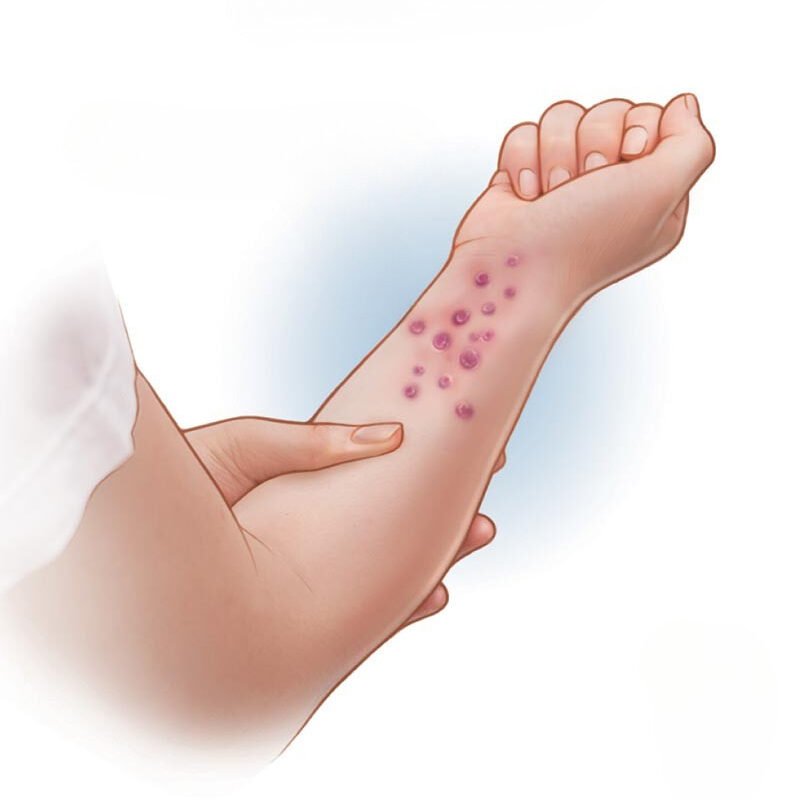
Tiny, raised dots may develop on your skin, including your genitals. The dots are about the size of the tip of a pin (0.4 mm), and they may grow to the width of a pencil (1 cm). They may also develop into sores.
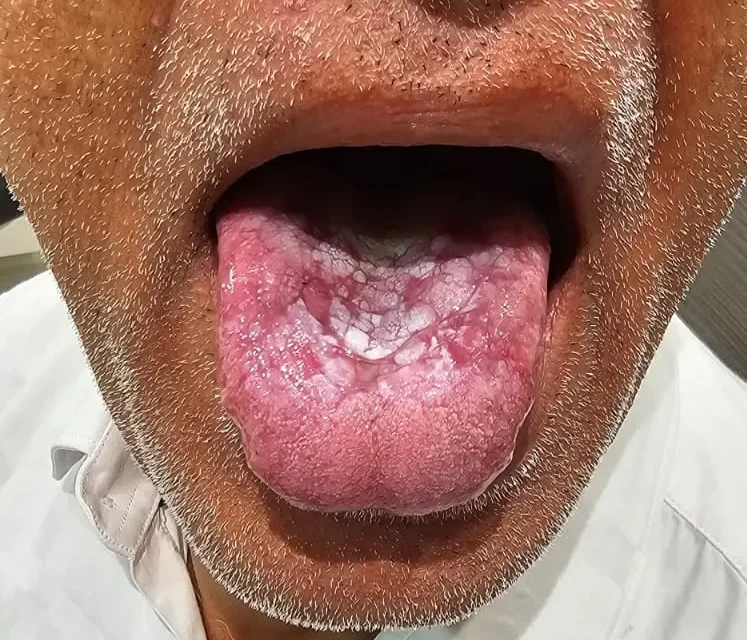
Tiny white dots may develop on the skin inside of your cheeks, your tongue or your lips.
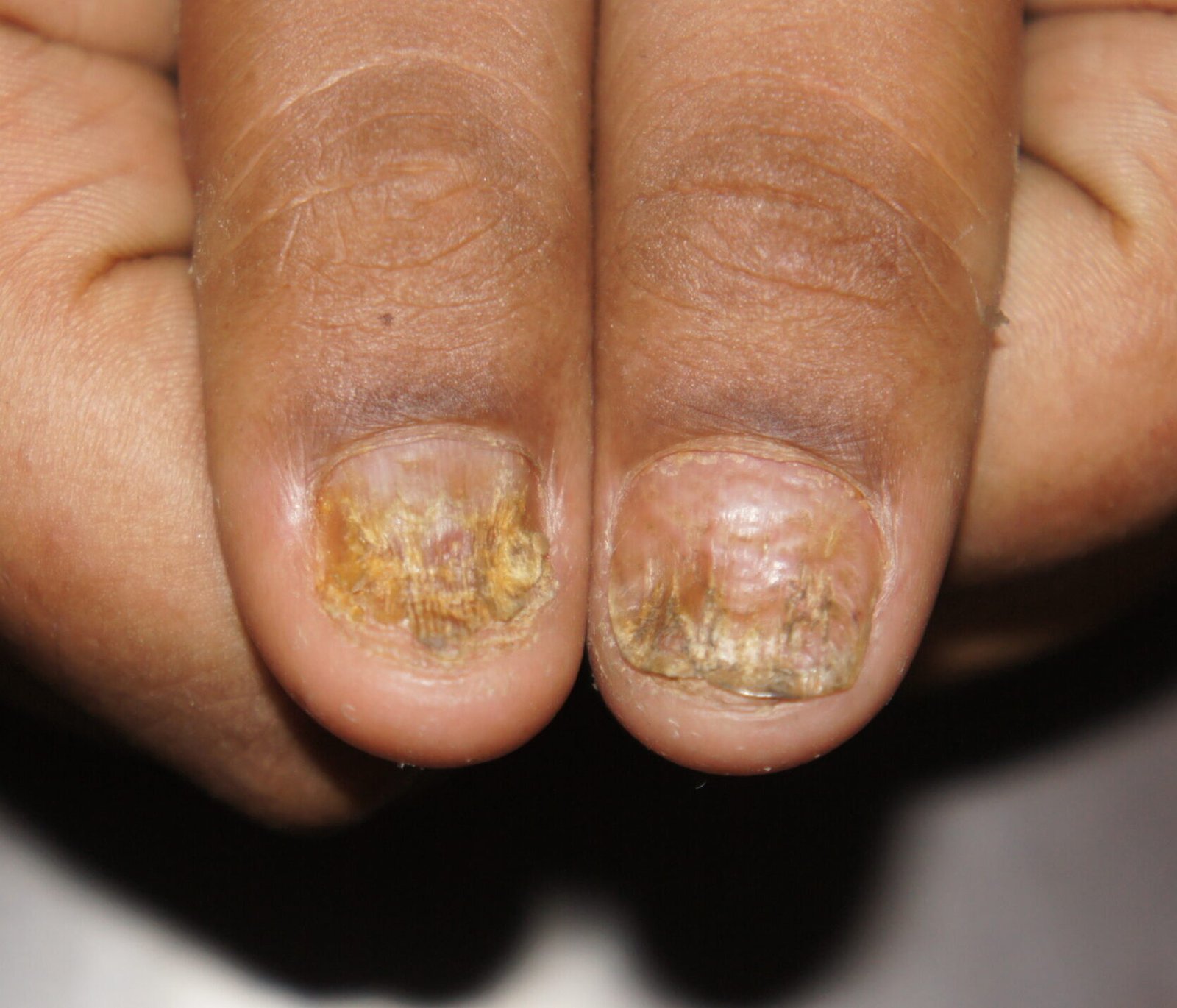
Your nails may change colors, crack or split, stop growing or fall off.
Lichen planus doesn’t hurt. However, if you scratch your rash, you may break your skin, leading to an infection that can cause pain.
Complications of Lichen Planus
Lichen planus is not dangerous, but it can sometimes leave dark marks or scars on the skin, cause hair loss on the scalp, or lead to nail changes like thinning or breakage. In the mouth or genitals, it may cause burning, pain, or discomfort. Rarely, long-standing mouth patches may increase the risk of oral cancer, so regular check-ups are important.
Triggering Factors
Stress – emotional or physical stress can worsen symptoms.
Infections – especially Hepatitis C and other viral infections.
Medications – like NSAIDs (painkillers), beta-blockers, ACE inhibitors, antimalarials, and some antibiotics.
Dental materials – such as amalgam fillings or contact with certain metals (gold, mercury).
Allergic reactions – to chemicals, dyes, or other allergens.
Immune system dysfunction – the body’s own immune cells mistakenly attack the skin or mucous membranes.
Genetic tendency – family history may slightly increase risk.
Various Types of Lichen Planus
Oral Lichen Planus
Homeopathy provides holistic, steroid-free treatment options for oral lichen planus, aiming to reduce discomfort and improve long-term oral health.
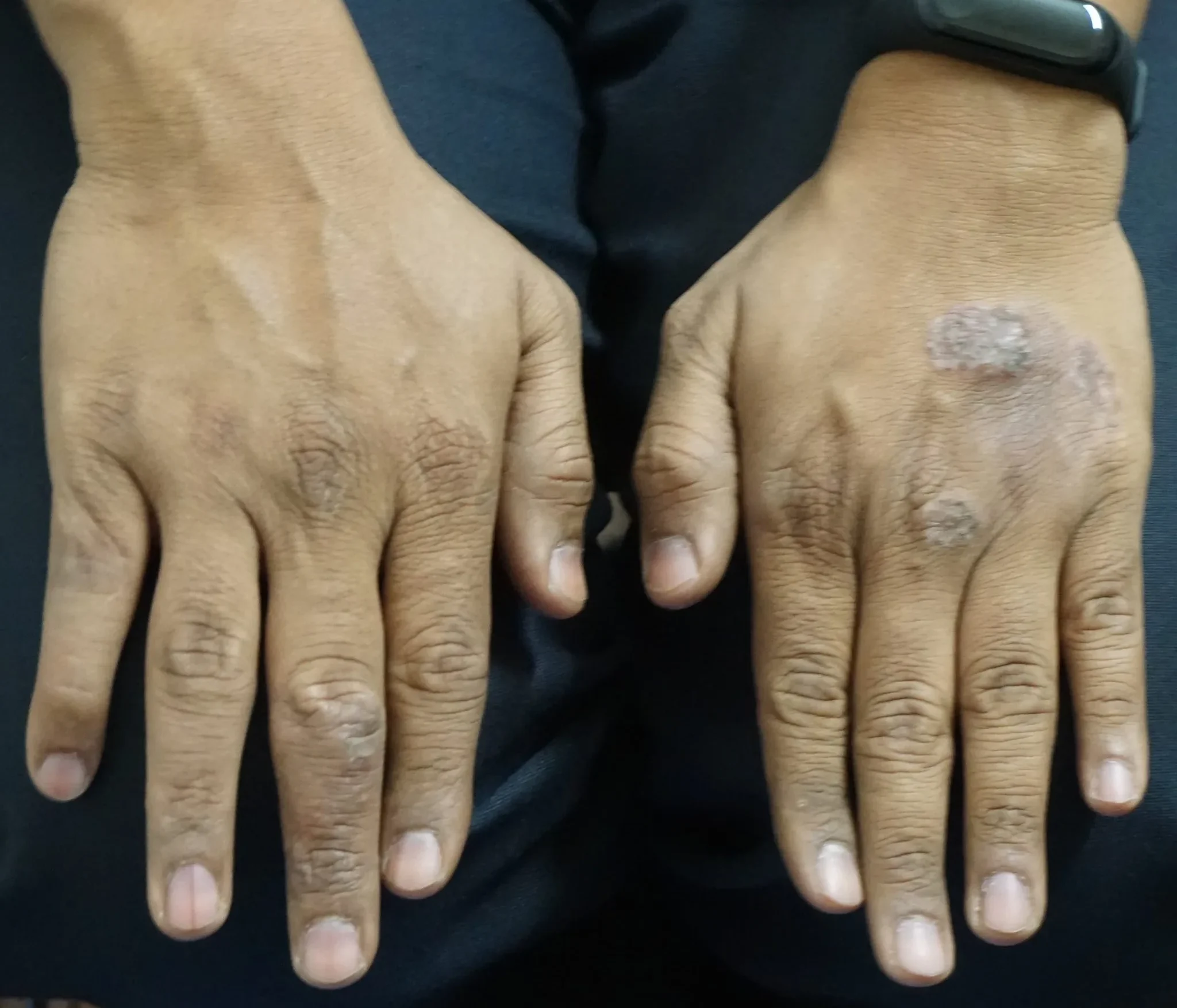
Lichen Planus on Hands
For lichen planus affecting the hands, homeopathy offers a natural, steroid-free approach that helps manage itching, inflammation, and skin discoloration holistically.
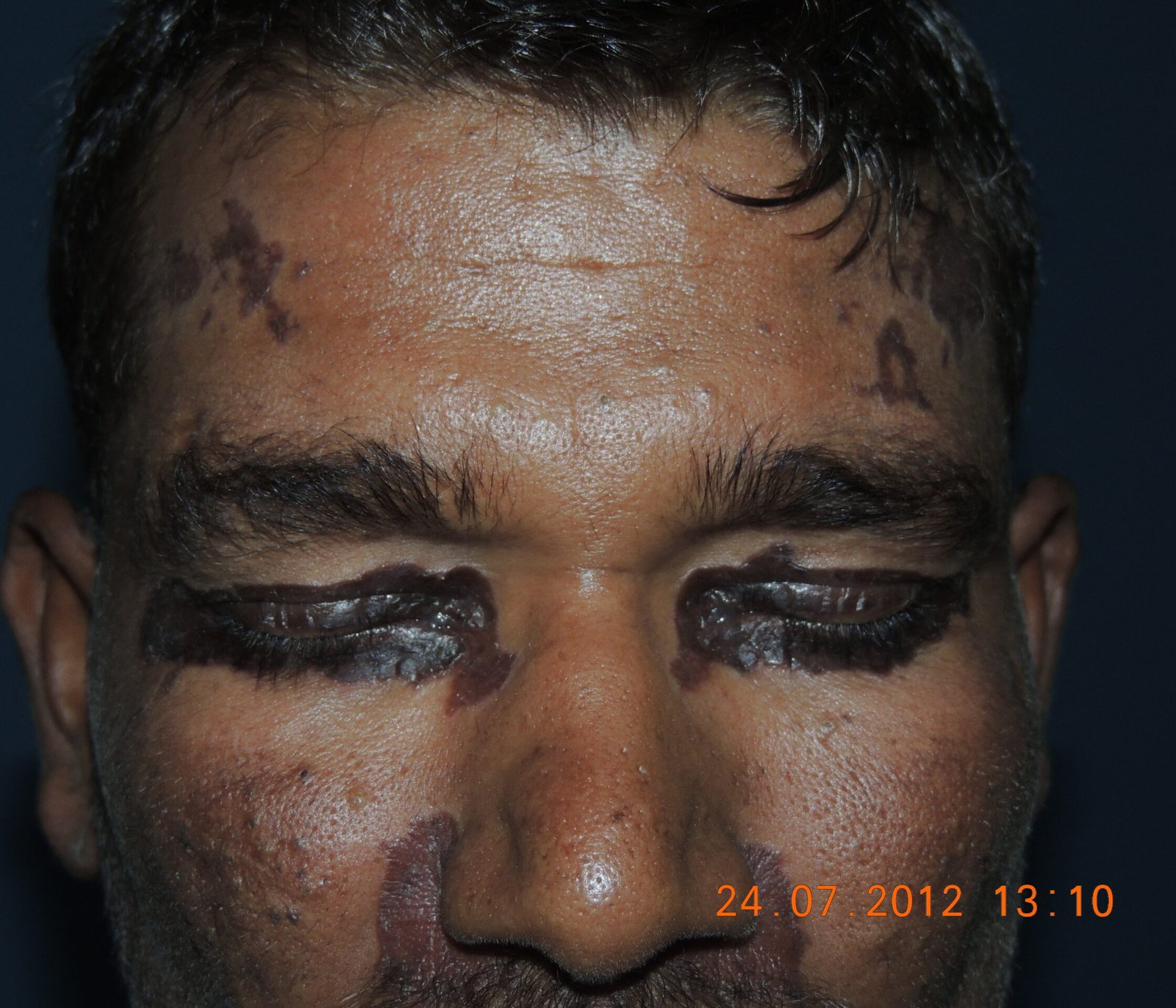
Lichen Planus on Face
Homeopathic treatment for facial lichen planus focuses on gentle, steroid-free healing that supports clear skin and addresses the root cause internally.
Nail Lichen Planus
Nail lichen planus can be addressed effectively through homeopathy, which offers safe, steroid-free remedies to support nail health and reduce nail damage over time.
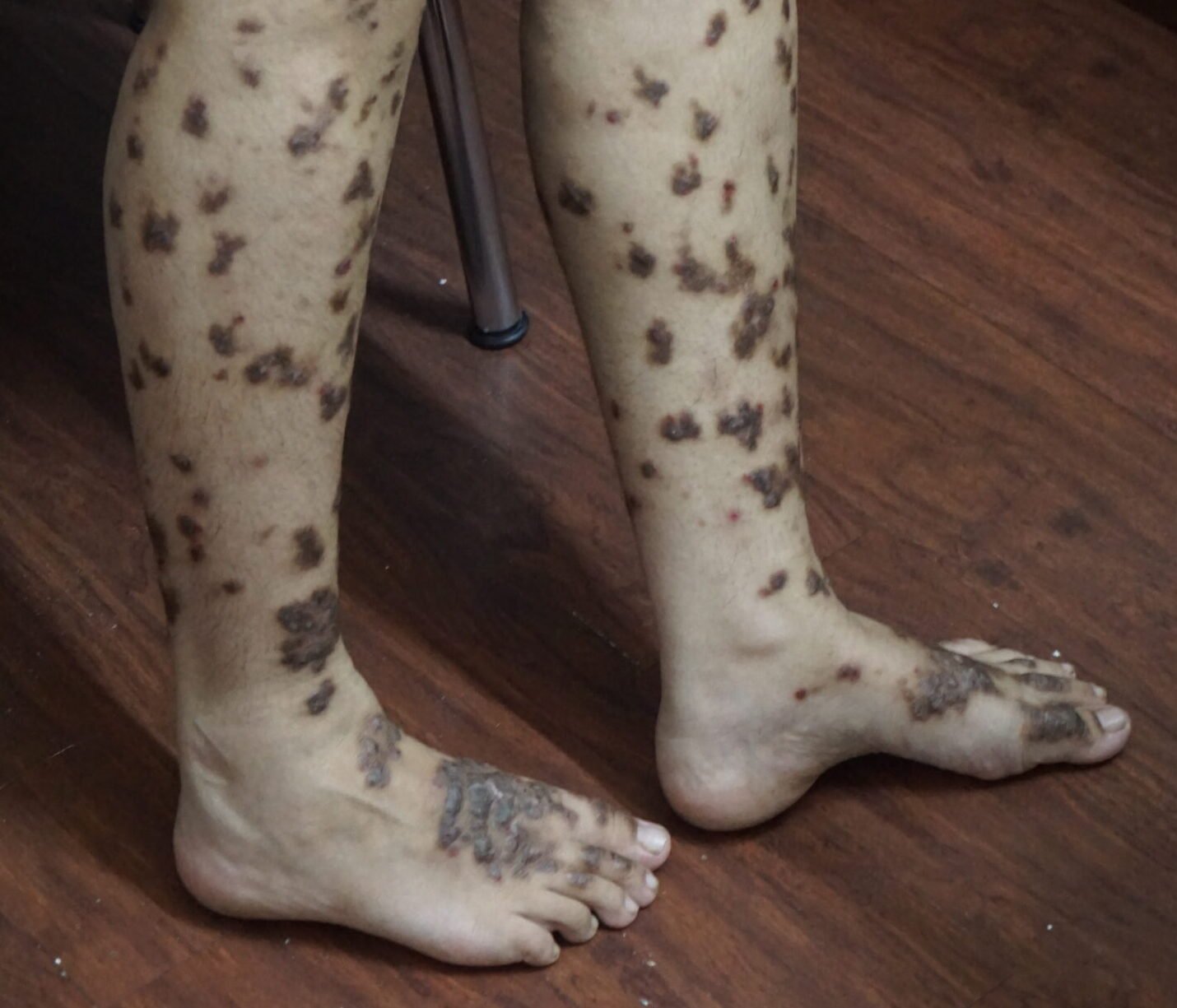
Lichen Planus on Legs
In cases of lichen planus on the legs, homeopathy provides a holistic treatment path without steroids, helping relieve thickened lesions and itching naturally.